Scandinavian interior design has had serious staying power for a reason — it's one of those styles that manages to feel both calming and genuinely livable at the same time. Born out of the Nordic countries' long winters and limited daylight, this design philosophy leans into light, natural materials, and a sense of warmth that goes far beyond just aesthetics — it's really about creating a home that feels good to exist in. The signature elements are instantly recognizable: soft neutral palettes, honest natural wood, layered textiles, and a clean, uncluttered approach to furniture and storage. What makes Scandinavian style so enduring is that it never feels cold or sterile despite its minimalism — there's always warmth woven into every corner. Here are 13 Scandinavian interior ideas to help you bring a little of that Nordic calm into your own space.
Neutral Color Palette
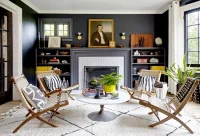
The foundation of any Scandinavian interior starts with the walls, and almost always with a soft, neutral palette. White, off-white, soft gray, and warm beige dominate this style because they reflect as much natural light as possible, which is essential in a region where daylight hours can be limited for much of the year. The trick to making a neutral palette feel rich rather than flat is layering different textures and slightly varied undertones throughout the space — a creamy white wall, a warm oatmeal sofa, and a cool gray rug can all coexist beautifully if the proportions are balanced well. This palette also acts as the perfect backdrop for everything else in Scandinavian design, since the natural wood tones, black accents, and greenery that typically follow all need a quiet canvas to stand out against.
Natural Wood Accents
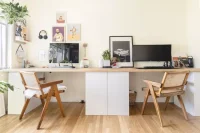
Wood is arguably the single most important material in Scandinavian interiors, and it shows up everywhere — flooring, furniture, ceiling beams, and small decorative objects. Light woods like pine, birch, and ash are particularly favored because they keep the overall feel of a room bright and airy rather than heavy, which aligns perfectly with the light-maximizing goals of the style. The beauty of wood in this design language lies in its imperfection — visible grain, knots, and natural variation are celebrated rather than sanded away or hidden. A simple wooden coffee table, an exposed wood beam, or even just a collection of wooden bowls on a counter can instantly ground a space in that warm, organic Scandinavian feel.
Cozy Hygge Textiles
No Scandinavian interior is complete without an abundance of soft, layered textiles — this is really where the concept of hygge, that distinctly Danish sense of coziness, comes fully to life. Chunky knit throws draped over the arm of a sofa, sheepskin rugs placed underfoot, linen cushions in soft neutral tones, and woven wool blankets all work together to soften the clean lines of the furniture and architecture. The key is layering multiple textures rather than relying on a single statement piece — a smooth linen cushion next to a chunky knit throw next to a faux fur accent creates real depth and warmth. This is also one of the easiest and most affordable ways to bring Scandinavian style into a space, since textiles can be swapped seasonally without any major investment.
Minimalist Furniture
Scandinavian furniture is defined by clean lines, functional shapes, and an almost sculptural simplicity — nothing overly ornate or fussy, but never cold or uninviting either. Iconic pieces from designers like Hans Wegner and Arne Jacobsen have become shorthand for this aesthetic, with their tapered wooden legs, gently curved backs, and honest materials. The minimalism here isn't about having less for the sake of it — it's about every piece earning its place through both beauty and usefulness. A well-chosen Scandinavian sofa or chair tends to look just as good twenty years from now as it does today, which is part of why this furniture style has remained so consistently popular across generations.
Scandinavian Kitchen
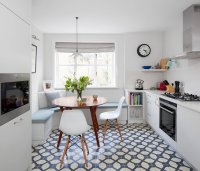
The Scandinavian kitchen takes the broader principles of the style — light, natural materials, and functional simplicity — and applies them to one of the most-used rooms in the home. White or pale wood cabinetry, open shelving displaying simple ceramics, and unfussy hardware all contribute to a kitchen that feels calm and uncluttered rather than busy or overdesigned. Natural light is maximized wherever possible, often through sheer curtains or no window coverings at all, and a few well-chosen plants or a vase of fresh flowers add a lived-in softness to the otherwise clean lines. Storage tends to be thoughtfully concealed, with countertops kept relatively clear — clutter is the enemy of the Scandinavian aesthetic, especially in the kitchen.
Scandinavian Bedroom
A Scandinavian bedroom is designed first and foremost to feel like a genuine retreat — calm, soft, and free of visual noise. Bedding in crisp white or soft neutral linen forms the base, layered with a chunky knit throw or a few textured cushions for warmth and dimension. Wood flooring left bare or paired with a simple wool rug grounds the space, while a few carefully chosen pieces — a wooden nightstand, a simple pendant light, a single piece of understated art — complete the room without overwhelming it. The goal is a space that feels restful the moment you walk in, which is exactly why this style has become such a popular reference point for bedroom design beyond just Scandinavia itself.
Indoor Plants
Plants play a surprisingly important role in Scandinavian interiors, bringing life, color, and organic shape into a palette that could otherwise feel a little too restrained. Given the long, dark winters in Nordic countries, greenery indoors becomes a meaningful connection to nature when the outdoors isn't offering much. Structural plants like fiddle leaf figs, snake plants, and olive trees are popular choices because their clean architectural shapes complement the overall minimalism rather than competing with it. Plants are typically displayed in simple terracotta, ceramic, or woven baskets rather than ornate planters, keeping the focus on the greenery itself. Even just one or two well-placed plants can make a Scandinavian space feel noticeably more alive and welcoming.
Scandinavian Lighting
Because natural light is so precious for much of the year in the Nordic region, artificial lighting in Scandinavian interiors is treated with real intention rather than as an afterthought. Pendant lights with simple, sculptural shapes — often in matte black, brass, or natural materials like paper and wood — are a defining feature of the style. Layered lighting is also key: rather than relying on one overhead source, Scandinavian rooms typically combine ceiling fixtures, floor lamps, and table lamps to create a warm, multi-dimensional glow throughout the space. Candles are another major component of Scandinavian lighting, used liberally and unapologetically — they add warmth, ambiance, and that signature hygge feeling that artificial light alone can't quite replicate.
Black and White Accents
While Scandinavian interiors lean heavily neutral, a touch of black creates exactly the kind of contrast and grounding the style needs to avoid feeling flat. Black window frames, matte black light fixtures, dark picture frames, or a single black accent chair against a sea of white and beige give the eye somewhere to rest and add a quiet sense of sophistication. This black-and-white interplay is one of the more graphic elements within an otherwise soft and organic design language, and it's often what gives a Scandinavian space its edge of modernity. The key is restraint — a little black goes a long way, and too much can tip the balance away from the warmth that defines the rest of the style.
Scandinavian Bathroom
The Scandinavian bathroom translates the calm, spa-like quality of the style into one of the smallest rooms in the home. Light tile in white, soft gray, or pale stone tones keeps the space feeling bright and clean, while wood accents — a teak bath mat, a wooden stool, simple wooden shelving — bring warmth into what could otherwise be a cold, hard-surfaced room. Simple white fixtures, uncomplicated hardware, and minimal clutter on the counters are all essential to keeping the space feeling serene rather than busy. A few rolled linen towels, a simple ceramic soap dish, and perhaps one small plant are usually all the decoration this style needs — restraint is really the whole point here.
Functional Storage
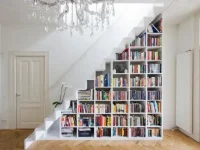
Clutter is the single biggest threat to a successful Scandinavian interior, which is exactly why thoughtful, functional storage is such a core part of the style. Built-in shelving, simple wooden cabinets, and multi-purpose furniture pieces — a storage ottoman, a bench with hidden compartments — all work to keep everyday items out of sight without sacrificing the room's overall simplicity. Open shelving is used selectively and intentionally, typically to display a curated handful of beautiful objects rather than to store everything visibly. The underlying philosophy here is that a calm, uncluttered space directly supports a calm, uncluttered mind — which is really at the heart of why Scandinavian design has resonated with so many people far beyond Scandinavia itself.
Scandinavian Dining Room
A Scandinavian dining room tends to center around one well-made wooden table, often paired with a mix of chair styles rather than a perfectly matched set — a detail that adds personality and a slightly collected, lived-in feel. A simple pendant light hung low over the table becomes both a functional and decorative anchor for the whole room, while a neutral rug underneath softens the hard lines of the table and chairs. Table settings tend to favor simple ceramics, linen napkins, and perhaps a few candles or a small vase of greenery rather than anything elaborate. The overall effect is a dining space that feels relaxed and inviting rather than formal, which fits perfectly with the Scandinavian emphasis on gathering and togetherness over perfection.
Layered Rugs and Natural Textures
Layering rugs — typically a larger jute or sisal rug as a base with a smaller sheepskin or wool rug placed on top — is a subtle but very effective Scandinavian styling trick that adds texture and warmth underfoot. This technique works especially well over hard flooring like wood or polished concrete, softening the space both visually and physically. Natural fiber textures more broadly — rattan, woven baskets, linen, raw wool — show up throughout Scandinavian interiors as a way of keeping the palette interesting without introducing color or pattern. The combination of these organic, tactile materials against the clean lines of the furniture is really what gives Scandinavian interiors their distinct sense of being minimal but never sterile.